


Eaton Standard Ce Approved 90 Elbow Tube Fitting Bc. Bd Bc-Rn, Bd-Rn
Cat:Hydraulic Adapters
Product Description hydraulic adaptor metric male O-Ring flat sealing pipe fittings Material: Carbon Steel, Stainless Steel Surfac...
See DetailsAn industrial hose fitting is the connector component that joins a flexible hose to a pipe, valve, pump, cylinder, or another hose , sealing the connection so fluid or gas can move through the system without leaking. It typically consists of a coupling body, a ferrule or sleeve that grips the hose, and a thread or flange interface on the opposite end that mates with the rest of the system.
Most industrial hose fittings sold today are built as an industrial standard hose fitting, meaning the thread form, sealing angle, and dimensions follow a recognized specification such as SAE, DIN, ISO, or BS rather than a one-off proprietary design. This standardization is what lets a fitting from one production run mate reliably with a hose, valve, or cylinder port produced somewhere else entirely, which matters enormously in hydraulic and fluid conveyance systems where a mismatch can mean a leak under pressure rather than a minor inconvenience.
The rest of this guide walks through how a standard hose fitting is built, how thread and sealing standards compare, how to size a hydraulic hose fitting for a given pressure and hose diameter, and what to look for in an industrial hose fitting manufacturer.
A standard hose fitting is a coupling built to a published dimensional and thread specification rather than a custom or proprietary geometry. The most widely referenced specifications in hydraulic and industrial hose work include SAE straight thread and flare fittings, DIN metric fittings common across European equipment, ISO fittings used for cross-border equipment compatibility, and BS fittings common in British and Commonwealth market equipment.
| Standard | Common Region | Typical Sealing Method |
|---|---|---|
| SAE | North America and global equipment | 37 degree flare or O-ring face seal |
| DIN | Europe | 24 degree cone with O-ring |
| ISO | Global cross-equipment compatibility | Metric or parallel thread with seal |
| BS | United Kingdom and Commonwealth markets | Parallel pipe thread with bonded washer |
Choosing an industrial standard hose fitting over a proprietary design generally simplifies future maintenance, since replacement parts can be sourced from more than one production line without redesigning the connection point.
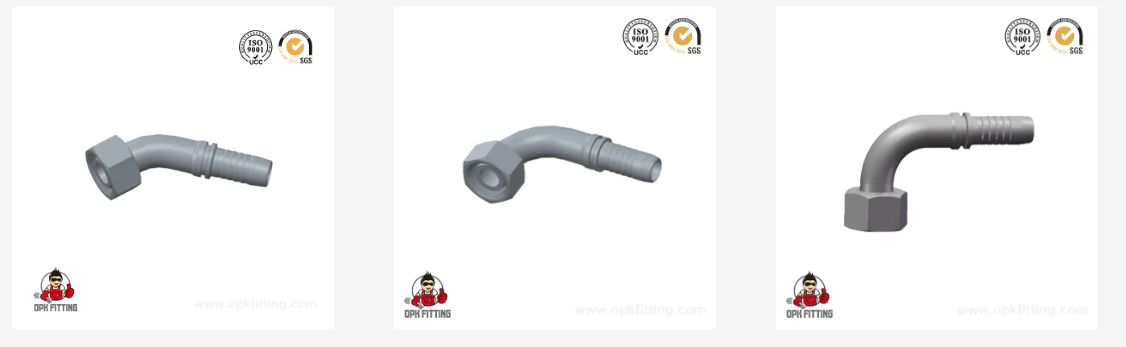
Every industrial hose fitting shares three functional zones, regardless of thread standard or hose size.
The coupling body inserts into or over the hose end, and a ferrule or sleeve compresses around the hose during crimping to lock the fitting in place and seal the outer hose layer against the fitting shank.
The opposite end of the fitting carries the thread or flange that connects to the rest of the system. Sealing happens either through a tapered thread that seals on contact, a parallel thread paired with an O-ring or bonded washer, or a flare and cone interface that seals through metal-to-metal contact under torque.
Crimped fittings are permanently swaged onto the hose using a crimping machine and cannot be removed without cutting the hose, while reusable or field-attachable fittings screw or clamp onto the hose end and can be disassembled and refitted, which suits field repair situations where a crimping machine is not available.
Working pressure capacity generally falls as hose inner diameter increases, since a larger bore needs a proportionally thicker reinforcement layer to hold the same wall stress. A high pressure hose fitting on a small diameter hose can often handle a substantially higher working pressure than the same fitting family on a larger diameter hose , which is why sizing by diameter alone without checking the pressure rating is a common specification mistake.
Figure 1: General reference working pressure bands by hose bore size. Actual ratings depend on reinforcement layers, fitting design, and safety factor applied.
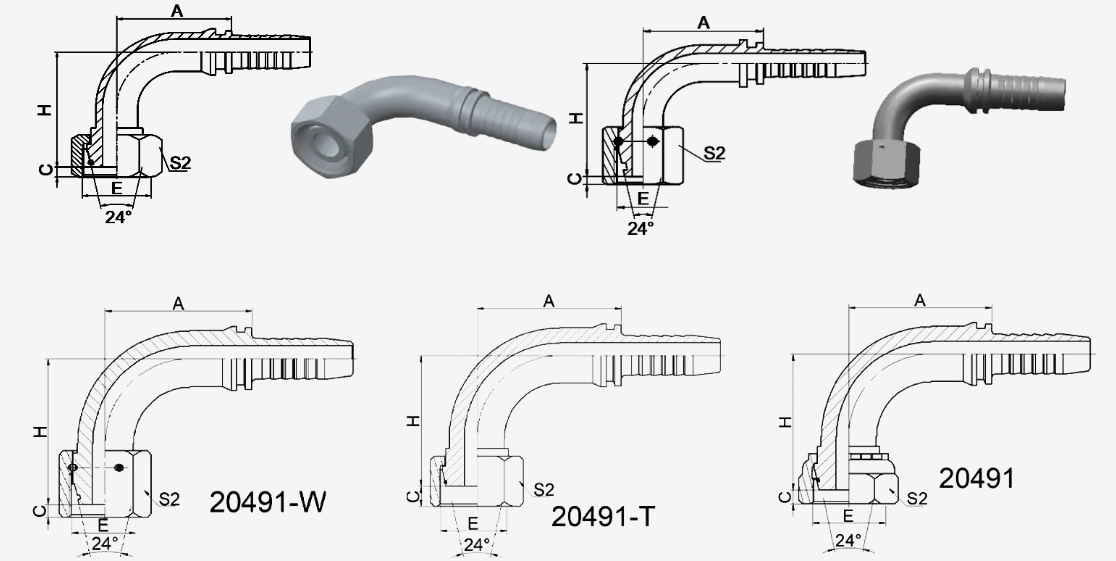
Beyond diameter and pressure, several other parameters determine whether a hydraulic hose fitting will perform reliably in a given system.
| Parameter | Why It Matters |
|---|---|
| Hose Inner Diameter | Must match fitting shank size for a proper crimp seal |
| Working Pressure | Sets the fitting body wall thickness and material grade |
| Thread Standard | Determines compatibility with mating ports |
| Operating Temperature | Affects both hose material and pressure derating |
| Fluid Compatibility | Confirms fitting material resists the specific fluid chemistry |
Figure 2: General derating trend showing pressure capacity falling as operating temperature rises, expressed as a percentage of the rated cold pressure.
A threaded hose fitting can use several different thread and sealing geometries, and mixing the wrong two together is one of the most common causes of a leaking connection on a hydraulic system.
National Pipe Tapered thread seals by wedging the male and female tapered threads together, typically assisted by thread sealant, and is common on general industrial and agricultural equipment.
British Standard Pipe thread comes in both tapered and parallel forms, with the parallel version sealing through a bonded washer rather than thread interference, common on European and Commonwealth market equipment.
Joint Industry Council fittings use a 37 degree flare seal on a parallel thread, giving a strong metal-to-metal seal that performs well under vibration and is widely used across North American hydraulic systems.
O-ring Face Seal fittings use a flat face O-ring rather than a flare or thread seal, giving one of the most leak resistant connections available for high pressure hydraulic applications.
Metric thread fittings, often paired with a 24 degree cone and O-ring, are common on European-built machinery and increasingly specified on equipment designed for global markets.
Figure 3: General reference pressure capability by thread and seal geometry. Actual ratings vary with fitting size, material, and manufacturer design.
Carbon steel remains the most common fitting body material for general hydraulic service, typically finished with a zinc or zinc-nickel plating to resist surface corrosion during storage and field use. Stainless steel fittings cost more to machine but resist corrosion far better in marine, chemical, food, and pharmaceutical environments where washdown or salt exposure is routine. Brass fittings appear mainly on lower pressure air and water lines where machinability and moderate corrosion resistance matter more than maximum pressure capacity.
Figure 4: Relative comparison across five practical factors on a general five-point engineering reference scale.
Industrial and industrial standard hose fittings appear wherever fluid or gas needs to move through a flexible connection rather than a rigid pipe run. Common sectors include:
Each sector tends to favor a particular combination of material, thread standard, and sealing method based on the fluids handled, the ambient environment, and how often the connection is disassembled for maintenance.
Standard catalog fittings cover most applications, but some equipment layouts call for a custom hose fitting built around a specific bend angle, length, or port configuration that a catalog part cannot match. OEM hose fittings, produced to a customer's own drawing or sample part, let equipment builders integrate a fitting that matches their exact envelope and mounting requirement rather than adapting the layout around a standard part.
Elbow joints are a common custom request, since bend angle and radius vary widely between machine designs. Producing an elbow joint through an integral forming process with a high-frequency heater and computer controlled pipe bender generally holds tighter dimensional consistency across a production run than fittings assembled from separate welded segments.
Correct assembly technique protects both the seal integrity and the working life of a hydraulic hose fitting. Field data from crimping operations consistently points back to a small number of steps that prevent the majority of early failures.
Selecting an industrial hose fitting manufacturer or industrial hose fitting supplier involves looking past the catalog page toward production capability, since consistent crimp quality and dimensional accuracy across a full order run matters as much as the initial sample part.
OPK FITTING Hydraulic Equipment Factory is one example of a hose fitting factory built around hydraulic pipe and adaptor production, covering hose fittings, adaptors, and flexible hydraulic hoses across a range of pressure levels and sizes. Products from this kind of facility are typically applied across hydraulic and fluid conveyance systems in machinery, metallurgy, petroleum, construction, shipbuilding, aerospace ground equipment, agriculture, pharmaceutical, and food processing settings. The factory operates from Ningbo City in Zhejiang Province, China, a region with a long-established base of hydraulic pipe production and strong transport infrastructure for both sea and air export routes.
Manufacturing steps at this kind of facility typically include pipe cutting, rubber stripping, hose crimping, trial pressure testing, and rinsing, supported by CNC machining capacity for the fitting bodies themselves. When comparing an industrial hose fitting manufacturer against another, engineers commonly ask about CNC machine count and general production capacity, in-house testing capability for physical and dimensional properties, and whether the factory supports both OEM hose fittings built from customer drawings and standard catalog production alongside each other.
A: It is the connector component that joins a flexible hose to a pipe, valve, pump, or cylinder port, sealing the connection so fluid or gas can pass through the system without leaking.
A: It is a fitting built to a published thread and dimensional specification, such as SAE, DIN, ISO, or BS, allowing it to mate reliably with parts from more than one production source.
A: They connect flexible hose sections to rigid piping, pumps, valves, and cylinders across hydraulic, pneumatic, and general fluid conveyance systems.
A: A ferrule or sleeve compresses around the hose to grip and seal it to the fitting body, while the opposite end connects to the system through a matching thread or flange interface.
A: A crimped fitting is permanently swaged onto the hose with a crimping machine, while a reusable fitting screws or clamps onto the hose end and can be removed and refitted without cutting the hose.
A: Match the thread type to the port on the mating equipment first, then confirm the fitting's pressure rating and seal type suit the operating pressure and fluid involved.
A: Production covers hose couplings, sleeves, transition fittings, and hydraulic couplings built to SAE, DIN, ISO, BS, and other international standards.
A: The factory operates more than 100 CNC machine tools supported by a team of research and development personnel focused on fitting design and process improvement.
A: Each production process includes inline inspection, and finished products are tested against customer requirements and international standards using an in-house inspection system covering material properties and dimensional accuracy.
A: Production is based primarily on international standard part specifications, which supports compatibility across common thread and connection standards.
A: On working days, inquiries are typically answered within four hours of being received.
A: Yes, custom hose fittings and OEM hose fittings are developed and produced according to customer drawings or sample parts, including custom elbow joint configurations.
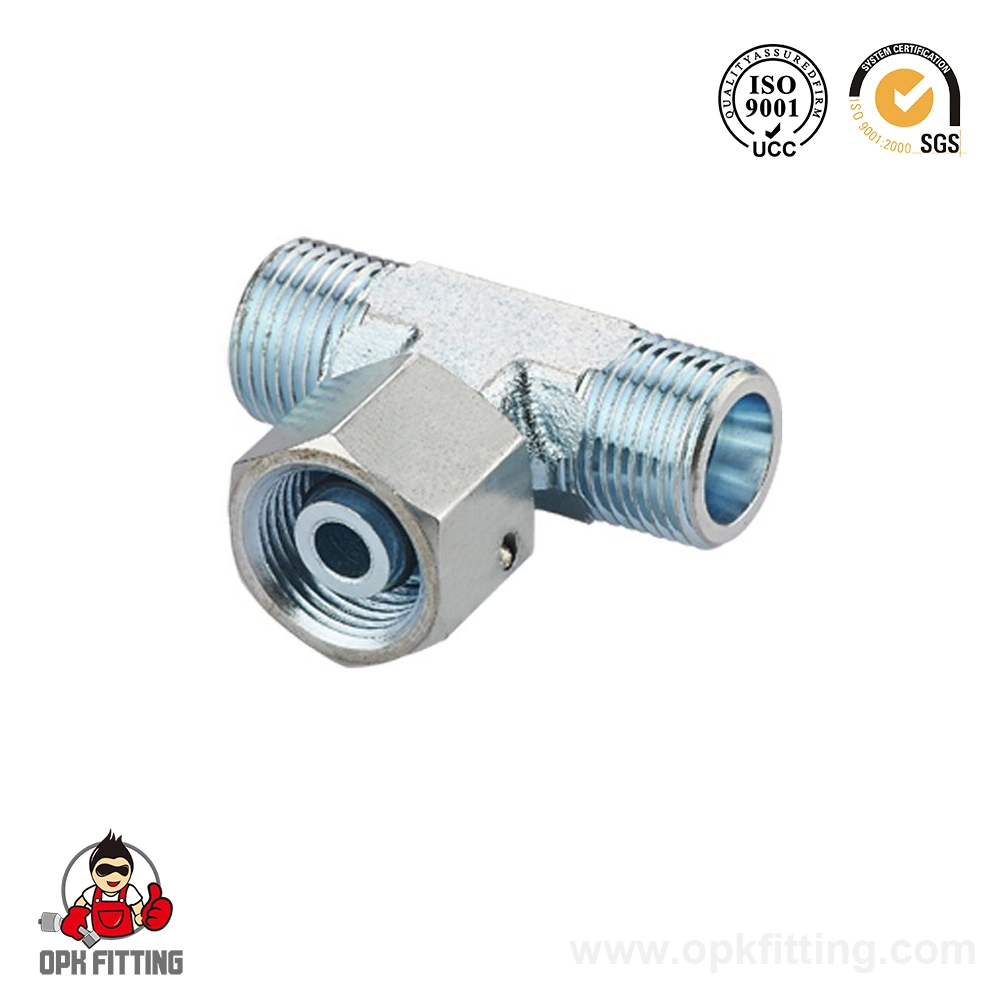
Product Description hydraulic adaptor metric male O-Ring flat sealing pipe fittings Material: Carbon Steel, Stainless Steel Surfac...
See Details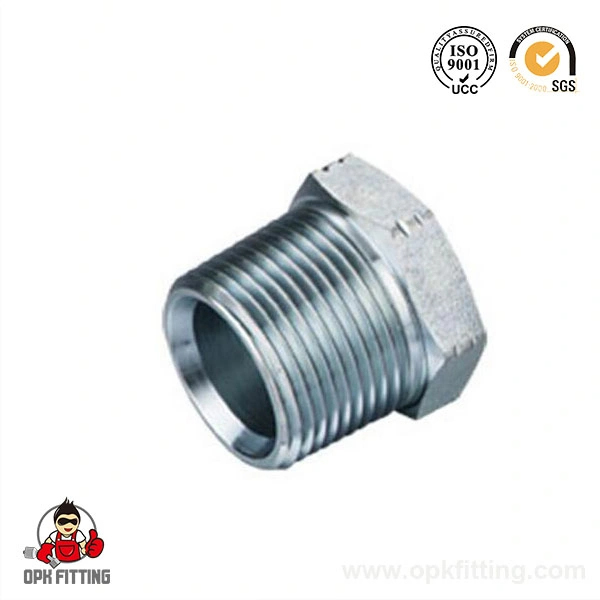
Product Description hydraulic adaptor metric male O-Ring flat sealing pipe fittings Material: Carbon Steel, Stainless Steel Surface Treatm...
See Details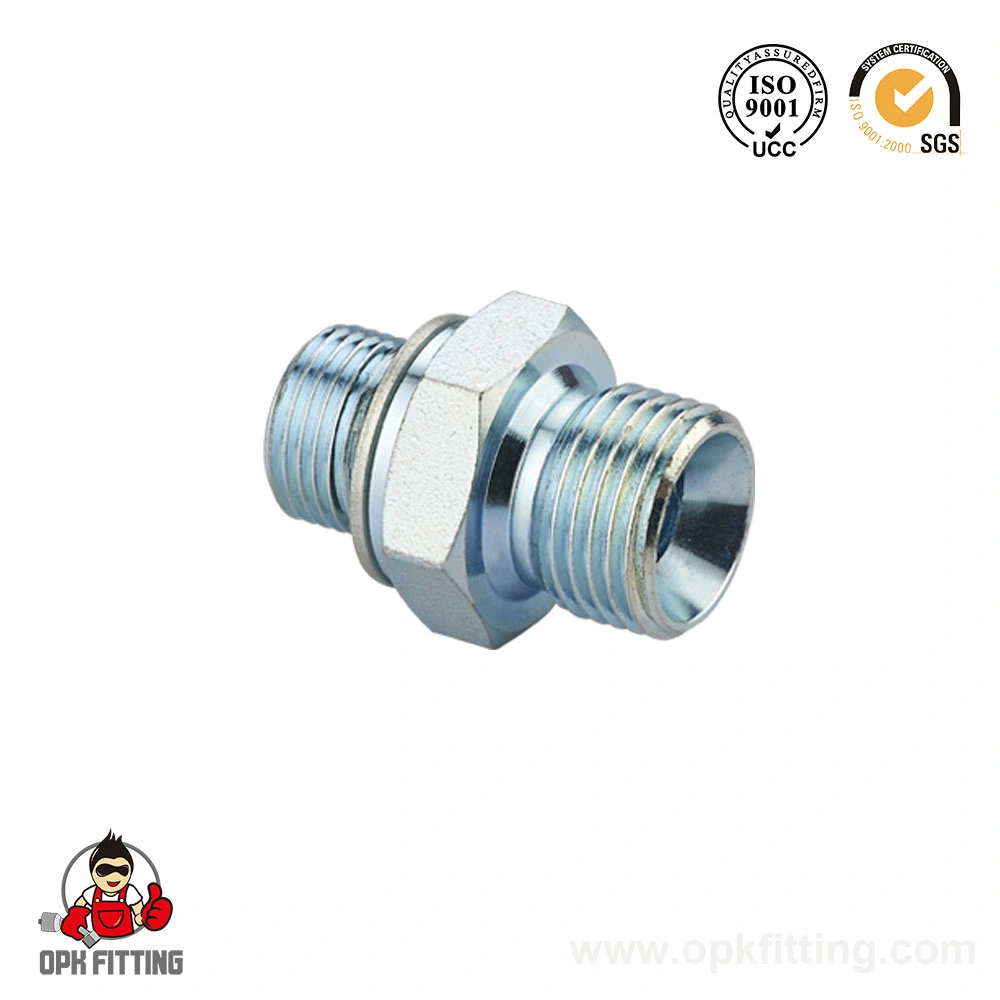
Product Description hydraulic adaptor metric male O-Ring flat sealing pipe fittings Material: Carbon Steel, Stainless Steel Surface Treatm...
See Details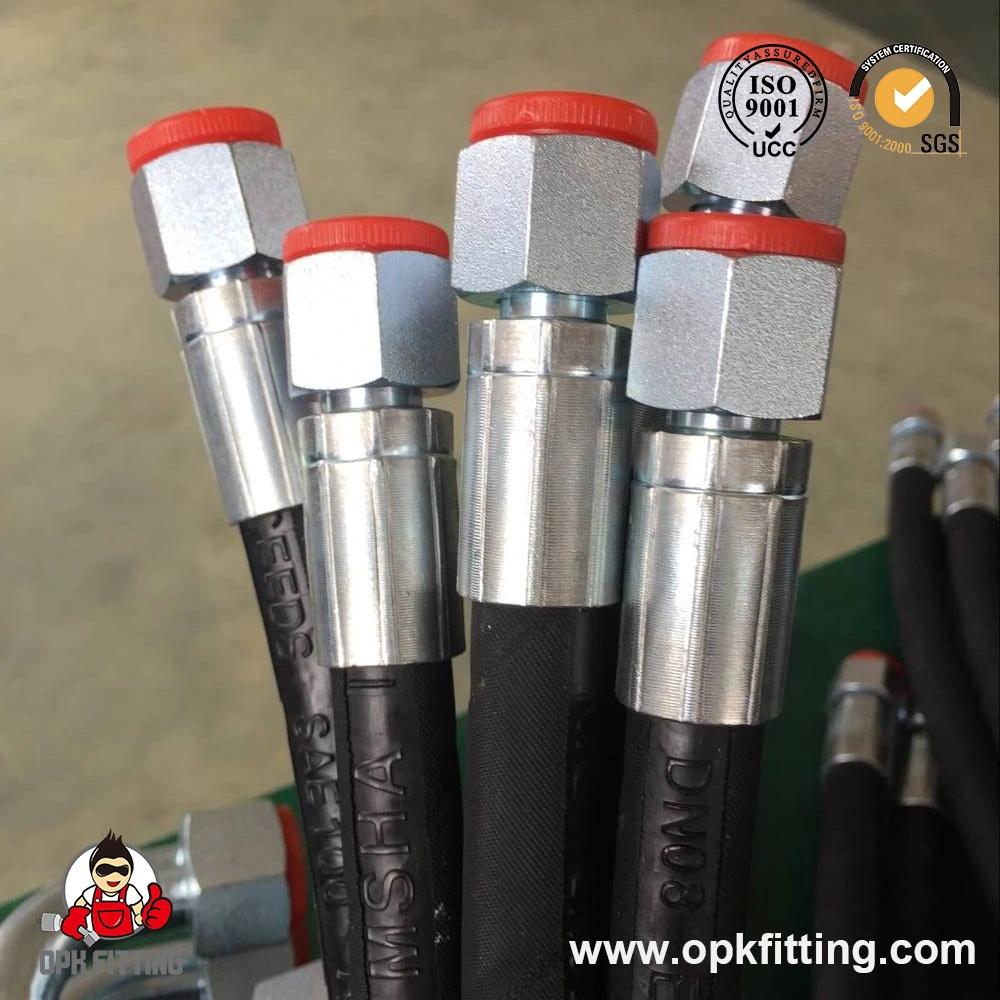
Inner tube: Thermoplastic Polyester Reinforcement: Two high-tenacity polyester braids reinforcement Cover: Oil and weather resistant syntheti...
See Details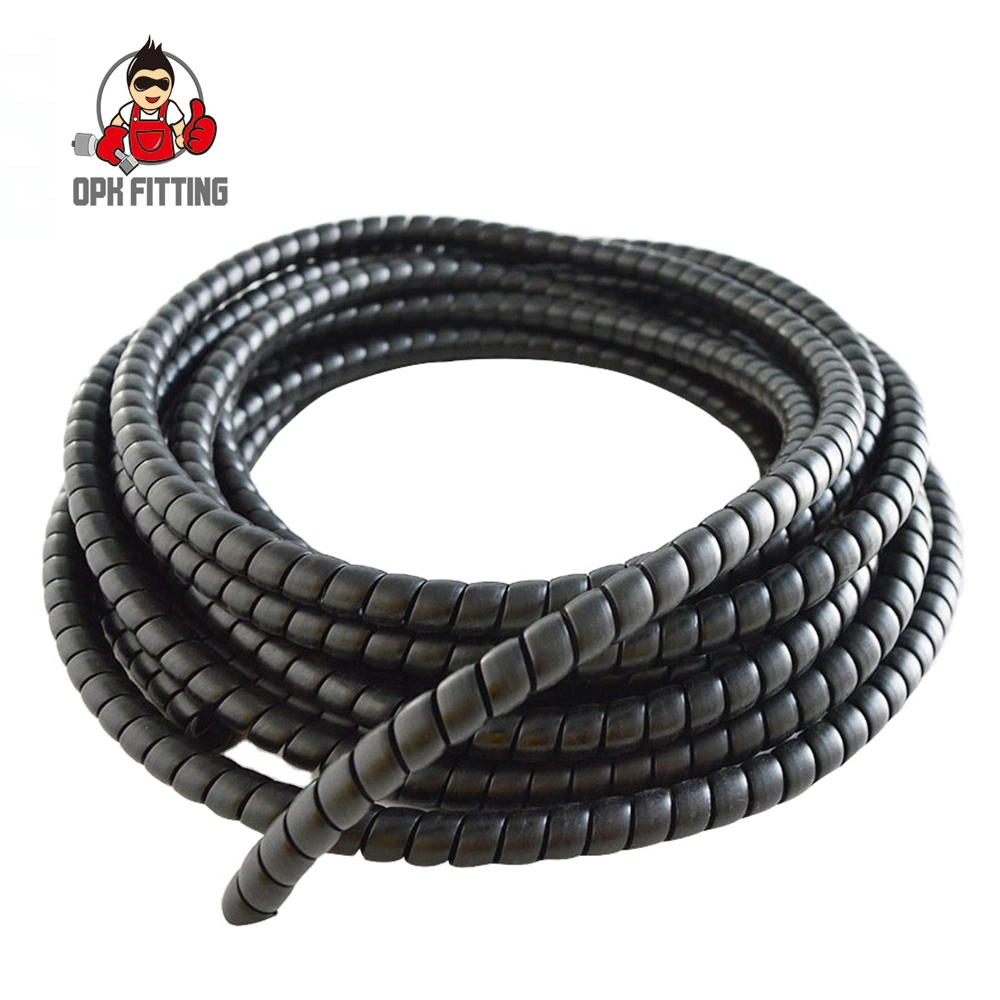
PRODUCT NAME: Spiral Protective Sleeve PP plastic hose guard for hydraulic hose Recommended For: The use of Spiral Guard Wrap is an economical...
See Details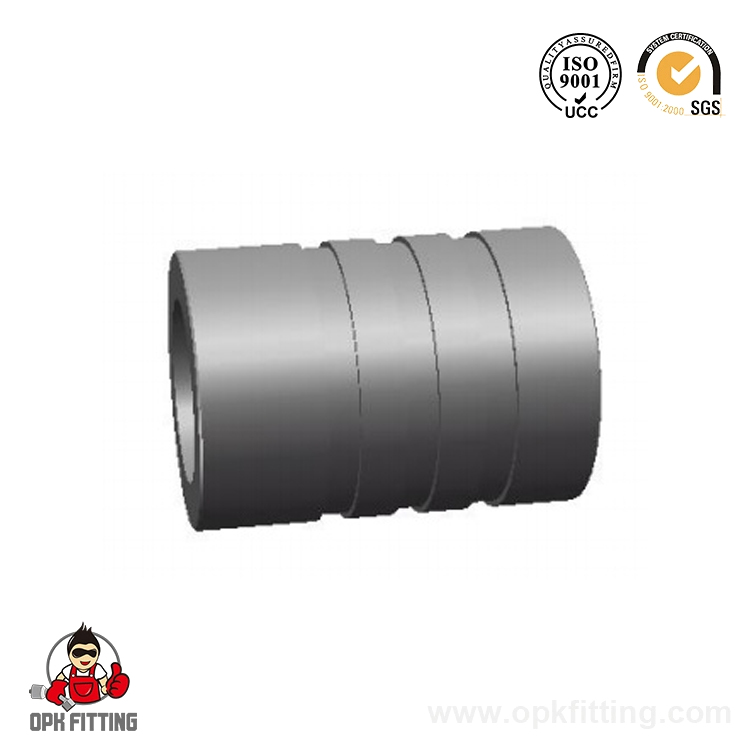
Description Of Products: 1. Raw Material: Carbon Steel & Stainless Steel available 2. Standard Plating: Trivalent Zinc Plating ( Cr3 / Chrome...
See Details

+86-18868902802


No. 298, Chenghai Road, Binhai New District, Fenghua Economic Development Zone, Fenghua District, Ningbo City, Zhejiang Province, China
Cóipcheart @ Ningbo Opk Fitting Co., Ltd. Hydraulic Hose Fittings Manufacturers OEM & Custom Adaptors Company
